


Your shopping cart is empty!
 Home
Home
Neutral Density Filter
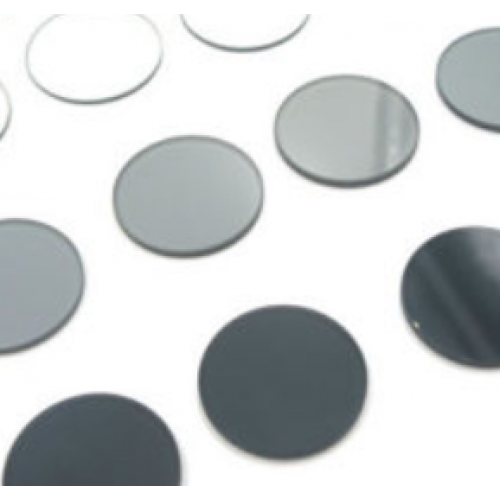
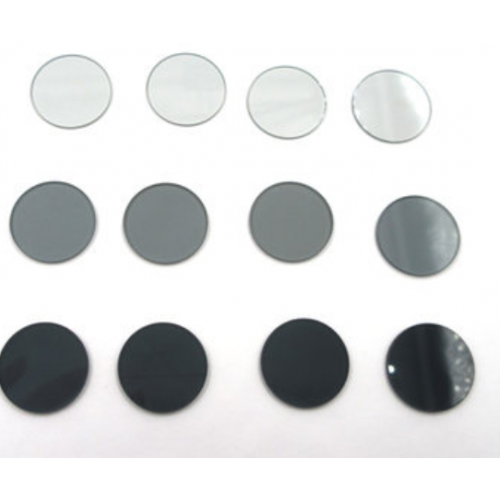
Neutral Density Filters (ND Filters) have the following characteristics: 1. Uniform Light Reduction: They attenuate light by approximately the same degree across the visible spectrum and part of the infrared range, avoiding color bias due to varying wavelengths and maintaining image color balance. 2. Control Light Intake: By absorbing or reflecting some light, they reduce the amount entering the lens, allowing for longer exposure times or wider apertures. This is suitable for bright environments or scenarios requiring slow shutter effects and shallow depth of field. 3. Various Specifications Available: Classified by light reduction strength into different stops (e.g., ND2, ND4, ND8), with higher numbers indicating stronger light reduction. Users can select the appropriate stop based on actual lighting conditions. 4. Diverse Materials: Common materials include glass and resin. Glass filters offer stable optical performance and minimal color temperature deviation, while resin filters are lightweight and cost-effective. Some high-end products employ special coating technologies to enhance performance. 5. Wide Range of Applications: Frequently used in photography for slow-shutter water flow shots, dynamic cloud capture, light painting, solar eclipse photography, starry sky photography, and other specialized scenarios. They are also applicable in optical experiments and laser beam attenuation.