


Your shopping cart is empty!
 Home
Home
Traviolet filter
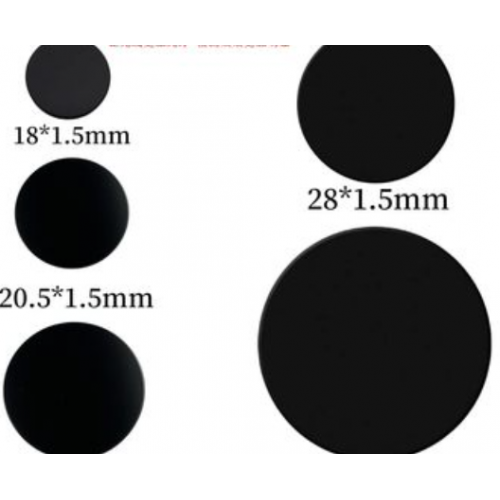
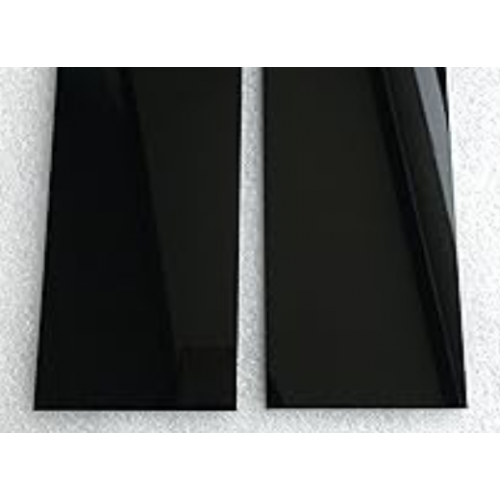
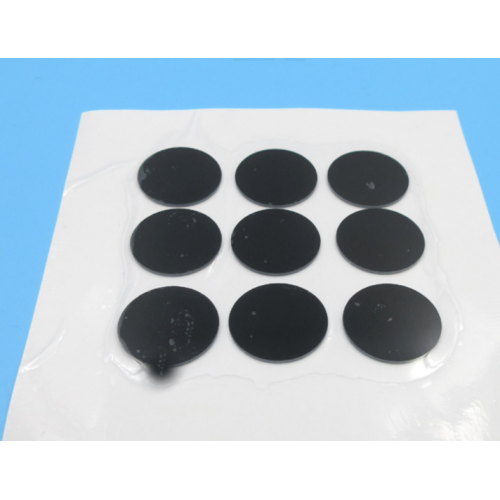
traviolet (UV) filters have the following characteristics: 1. Wavelength Selectivity
They can precisely screen specific UV wavelength bands to pass through. For example, narrow-bandpass filters focus on a narrow range of UV light around the central wavelength, broadbandpass filters allow a wider UV band to transmit, and short-pass filters only permit UV light shorter than the critical wavelength to pass. 2. High Transmittance
High-performance UV filters achieve high transmittance (typically over 80%) within the target UV band, minimizing light energy loss and ensuring effective utilization of UV light. 3. Strong Cutoff Capability
They exhibit deep cutoff characteristics for non-target bands (such as visible and infrared light), measured by optical density (OD). A typical requirement is a cutoff depth of OD2 or higher, effectively blocking interfering light and preventing stray light effects. 4. Steep Cutoff Edges
The transition from the transmission region to the cutoff region is very steep, enabling rapid distinction between target and non-target UV bands, thereby enhancing spectral selectivity and accuracy. 5. Material Stability
They typically use high-purity quartz or fluorides as optical substrates, combined with multi-layer dielectric or metal-dielectric thin films, offering good chemical stability, thermal stability, and radiation resistance. This ensures stable performance under various environmental conditions. 6. Anti-scattering and Low Loss
Through precision coating processes, scattering and absorption of light at the filter surface are reduced, lowering light loss and ensuring clear and accurate optical signals. 7. Customizable Design
Parameters such as center wavelength, bandwidth, and cutoff depth can be customized according to specific application requirements, meeting special needs across different fields including research, healthcare, and industry.